




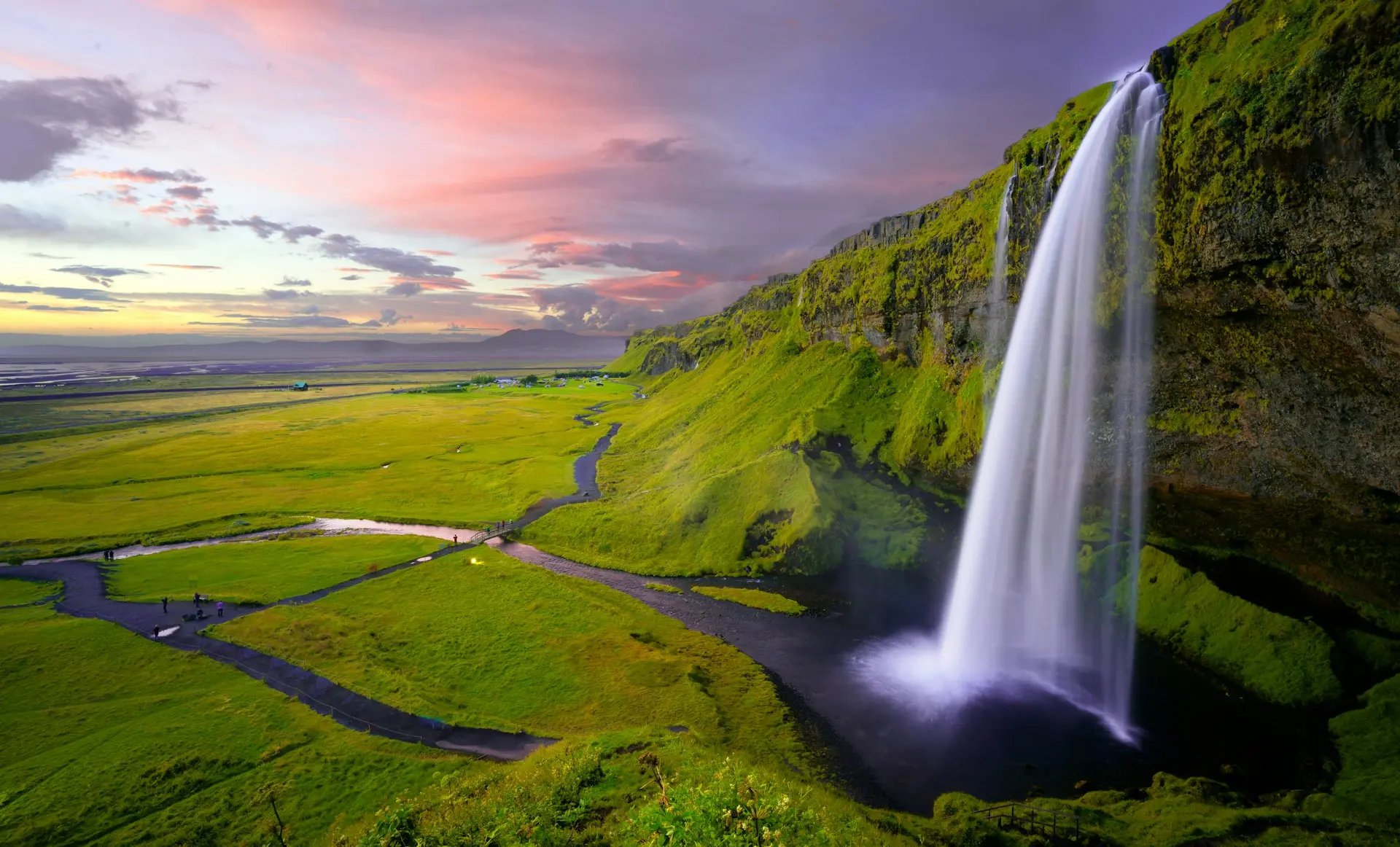

Whether you have five days to spare or can stretch your journey to a full week, this comprehensive guide will equip you with everything you need: vehicle selection advice, driving tips, packing checklists, budgeting strategies, and a detailed 5–7‑day itinerary that makes the most of your time. Buckle up—your ultimate Iceland road trip begins here.
Why Renting a Car in Iceland Is a Game Changer
Iceland’s public transportation network focuses on popular day‑trip routes, leaving roads to remote geothermal areas, highland tracks, and lesser‑known coastal vistas largely unserved. With your own rental car, you gain:
- Total Flexibility: Arrive at iconic sites like Gullfoss waterfall at dawn before the day‑tour buses roll in, or linger until the midnight sun bathes the landscape in golden light.
- Off‑Grid Access: Venture beyond the Ring Road onto gravel F‑roads (with a suitable 4×4) to hidden hot springs, secluded canyons, and other treasures untouched by crowds.
- Cost Optimization: Split rental and fuel costs among friends or family, choose a vehicle matched to your group size and terrain needs, and avoid premium tour pricing.
- Immersive Adventure: The thrill of navigating single‑lane bridges, spotting wild Arctic foxes in Westfjords valleys, and chasing cloud‑piercing mountains at your own pace creates memories no bus tour can replicate.
In short, renting a car transforms Iceland from a series of postcard stops into a self‑driven odyssey.
Choosing the Ideal Rental Vehicle
Selecting the right car is critical to both comfort and safety. Consider these factors:
- Season and Road Conditions:
- Summer (June–August): Many travelers opt for a 2WD compact car if staying on the Ring Road and main paved highways. Fuel economy is excellent, and parking is easy.
- Shoulder Seasons (May, September): Temperatures dip and occasional snow or ice can make gravel roads slippery. An AWD or small SUV offers extra security.
- Winter (October–April): Mandatory 4×4 with studded tires for snowy roads, especially if venturing onto F‑roads or Westfjords passes.
- Group Size and Luggage:
- Couples or solo travelers with minimal gear may find compacts or small hatchbacks perfectly sufficient.
- Families or groups carrying camping or photography equipment benefit from SUVs or station wagons with larger cargo holds.
- Campervans combine transport and lodging—ideal for those who wish to sleep under the stars and cook on the go, but note they require campground reservations in high season.
- Fuel Type:
- Diesel engines generally deliver better mileage—useful if you plan to cover extensive distances (1,200+ km loops).
- Petrol (gasoline) vehicles may have higher per‑liter costs but are often cheaper to rent.
Always verify whether your chosen rental allows driving on F‑roads (gravel highland routes) and ensure your insurance cover includes gravel protection and sand/ash protection if you plan to explore volcanic areas.
Insurance Must‑Haves: Safeguarding Your Journey
Iceland’s volcanic terrain and unpredictable weather make basic insurance insufficient. Protect your rental investment by adding:
- Gravel Protection: Covers windshield, undercarriage, and tire damage caused by flying stones on gravel roads.
- Sand and Ash Protection: Shields paintwork and mechanical components from corrosive volcanic ash storms.
- Super Collision Damage Waiver: Reduces your excess liability to a nominal fee in case of collision damage.
- Personal Accident Insurance: Provides medical coverage for drivers and passengers in the event of an accident.
Investing in comprehensive coverage may increase daily rental rates, but it provides peace of mind and protects against unexpected repair bills that can exceed several thousand euros.
Seasonal Considerations: When to Hit Iceland’s Roads
Each season in Iceland unveils a distinct character, affecting driving conditions, daylight hours, and crowd levels.
- Summer (Late May–Early September):
- Midnight sun provides up to 24 hours of daylight—perfect for extended sightseeing.
- Most F‑roads open by mid‑June, granting access to Highlands wonders like Landmannalaugar.
- Ideal weather for hiking, camping, and photography; however, peak season crowds require early bookings.
- Shoulder Seasons (May & September):
- Fewer tourists and lower accommodation rates.
- Early‑season snow can close some Highland routes; check road.is daily.
- Chance of witnessing Northern Lights in late September.
- Winter (October–April):
- Short daylight windows (4–6 hours) demand efficient planning.
- Snow and ice necessitate studded tires, 4×4 vehicles, and cautious driving.
- Offers the magic of ice caves, frozen waterfalls, and Northern Lights spectacles.
For a 5–7‑day trip, summer or shoulder seasons provide the best balance of daylight, comfort, and road access without the extreme cold and hazardous conditions of winter.
Essential Driving Tips for Iceland’s Unique Roads
Navigating Icelandic highways and gravel paths differs from driving in most countries. Keep these guidelines in mind:
- Observe Speed Limits: 90 km/h on paved roads, 80 km/h on gravel—speed cameras and traffic patrols enforce hefty fines.
- Single‑Lane Bridges: Yield to oncoming traffic; signage indicates priority direction—slow down and be courteous.
- Watch for Wildlife: Sheep and reindeer often wander onto roads, especially at dawn and dusk. Slow down in rural areas.
- Avoid Off‑Road Driving: Straying off designated roads—no matter how tempting—destroys fragile moss beds and voids insurance.
- Check Road Conditions Daily: Consult road.is for closures, weather.is for forecasts, and heed official warnings.
- Emergency Preparedness: Dial 112 for police, fire, or ambulance. Carry warm layers, extra food, and a fully charged phone.
Respecting these rules not only ensures safety but preserves Iceland’s pristine environment for future generations.
Packing Checklist: Gear Up for Icelandic Weather
Iceland’s climate can shift from clear skies to torrential rain and back again within hours. Pack thoughtfully:
- Clothing Layers: Merino‑wool base layers, mid‑weight fleece or wool sweaters, and a waterproof‑breathable outer shell.
- Waterproof Pants and Jacket: Essential for waterfall hikes and sudden downpours.
- Sturdy Footwear: Waterproof hiking boots with ankle support for rough terrain and slippery rocks.
- Thermal Accessories: Warm hat, insulated gloves, and a neck gaiter or scarf.
- Swimwear: For geothermal pools and hot springs—always carry a quick‑dry towel.
- Sun Protection: Sunglasses with UV protection and high‑SPF sunscreen (yes, even on cloudy days).
- Electronics: Extra camera batteries, memory cards, portable charger, and charging cables.
- Navigation Aids: Offline maps downloaded in Google Maps or specialized GPS apps; physical road atlas as backup.
- Emergency Kit: Basic first‑aid supplies, reflective vest, flashlight with spare batteries, and tire repair tools.
- Reusable Water Bottle and Snacks: Remote stretches lack services—stock up on trail mix, energy bars, and sandwiches.
Budgeting Your Self‑Drive Adventure
While Iceland carries a reputation for high costs, a well‑planned road trip can stay within budget:
- Car Rental: Expect base rates of €60–€100 per day for a compact summer rental; SUVs and campervans run €120–€200 per day. Booking 6–9 months in advance locks in lower rates.
- Fuel: Diesel costs around €1.80–€2.00 per liter; plan for 800–1,200 kilometers of driving on a 5–7‑day loop. Fuel stops are frequent on main roads but scarce on F‑roads and in Westfjords—refuel whenever possible.
- Accommodation:
- Hostels and guesthouses: €30–€80 per person per night.
- Mid‑range hotels: €100–€200 for a double room.
- Camping: €10–€20 per person per night; campsites charge extra for facilities and electricity.
- Food and Dining:
- Self‑catering supermarkets (Bonus, Netto): save by stocking up on groceries for picnics and simple meals.
- Gas‑station hot dogs and soup: budget‑friendly options for quick lunches (€3–€5).
- Restaurant meals: €20–€40 per person; plan splurge evenings in seafood restaurants for local langoustine.
- Activities and Tours:
- Many natural attractions are free—waterfalls, canyons, beaches.
- Guided glacier hikes, ice‑cave tours, or whale‑watching excursions: €70–€150 per person.
- Entrance fees to geothermal spas: €25–€60 per visit, depending on amenities.
- Insurance Add‑Ons: Gravel protection, sand and ash cover, and SCDW each add €10–€20 per day but prevent high excess charges.
5–7‑Day Self‑Drive Itinerary: Maximizing Time Without the Rush
Below are two itinerary options—one condensed into five action‑packed days, and another spread over seven days for a more relaxed pace. Choose based on your travel style and time constraints.
Option A: 5‑Day Express Loop
- Day 1: Arrival & Golden Circle
- Pick up car at Keflavík Airport and drive straight to Þingvellir National Park. Walk the Almannagjá rift and see Öxarárfoss waterfall.
- Continue to Geysir geothermal field; watch Strokkur erupt every 5–10 minutes.
- Marvel at Gullfoss waterfall’s double cascade from upper and lower viewing platforms.
- Evening dip in the Secret Lagoon or return to Selfoss area for overnight.
- Day 2: South Coast Highlights
- Seljalandsfoss: walk behind the curtain of water; then a short hike to hidden Gljúfrabúi waterfall.
- Skógafoss: climb the staircase for panoramic waterfall views.
- Stop at Sólheimajökull glacier tongue for a guided ice‑hike or photo op.
- Reynisfjara Beach: experience basalt columns and look for puffins at Dyrhólaey (May–August).
- Overnight in Vík.
- Day 3: Glacier Lagoon & East Fjords Stretch
- Depart early for Fjaðrárgljúfur Canyon rim walk.
- Jökulsárlón Glacier Lagoon: join a zodiac boat tour among floating icebergs.
- Diamond Beach: stroll among ice chunks glittering on black sand.
- Option: If time allows, drive into East Fjords to Djúpivogur; otherwise, overnight near Höfn for fresh langoustine dinner.
- Day 4: Northward to Mývatn
- Long drive across the island via Ring Road—stop at scenic viewpoints.
- Dettifoss: Europe’s most powerful waterfall; choose east or west bank for access.
- Explore Hverir mud pools and sulphur springs near Lake Mývatn.
- Relax at Mývatn Nature Baths under steam‑filled skies.
- Overnight in Mývatn area.
- Day 5: Goðafoss & Return via Snæfellsnes (or Direct to Reykjavik)
- Stop at Goðafoss, the “Waterfall of the Gods,” on your way to Akureyri.
- Option A (Snæfellsnes): Drive west to Kirkjufell and Arnarstapi for a taste of the peninsula’s volcanic coast. Continue back to Reykjavik for late‑evening arrival.
- Option B (Direct): Head straight to Reykjavik for a relaxed evening and rental return.
Option B: Relaxed 7‑Day Exploration
- Day 1: Arrival & Reykjavik Introduction
- Collect car; spend the afternoon exploring Reykjavik’s landmarks: Hallgrímskirkja, Harpa Concert Hall, Sun Voyager sculpture, and Laugavegur street shops.
- Dine on Icelandic lamb or seafood in the city center.
- Optional evening Northern Lights tour if conditions permit.
- Day 2: Golden Circle with Secret Lagoon
- Early start for Þingvellir to beat the crowds at Silfra fissure snorkeling (optional activity).
- Geysir and Gullfoss deep dive, exploring lesser‑known hot springs nearby.
- Soak in the Secret Lagoon; dinner in Flúðir village.
- Overnight in Selfoss or Hveragerði.
- Day 3: South Coast & Vík
- Seljalandsfoss and Gljúfrabúi canyon walk.
- Skógafoss exploration and optional visit to the Skógar folk museum.
- Reynisfjara black‑sand beach; hiking at Dyrhólaey for birdwatching.
- Dinner and overnight in Vík.
- Day 4: Fjaðrárgljúfur & Skaftafell
- Morning rim walk of Fjaðrárgljúfur Canyon.
- Drive to Skaftafell in Vatnajökull National Park; hike to Svartifoss waterfall.
- Overnight near Skaftafell or in Höfn to sample local seafood.
- Day 5: Jökulsárlón & East Fjords Gateway
- Jökulsárlón Glacier Lagoon zodiac tour.
- Diamond Beach iceberg stroll.
- Drive into the East Fjords; visit Djúpivogur and Petra’s Stone Collection.
- Overnight in Egilsstaðir or Seyðisfjörður.
- Day 6: Mývatn & North Wonders
- Dettifoss waterfall visit—choose west or east bank trail.
- Explore Lake Mývatn pseudocraters and lava formations at Dimmuborgir.
- Soak in Mývatn Nature Baths; dinner in Reykjahlíð village.
- Overnight near Mývatn or in Akureyri.
- Day 7: Goðafoss, Snæfellsnes Peninsula & Return
- Morning visit to Goðafoss waterfall.
- Drive west to Snæfellsnes: photograph Kirkjufell mountain, walk Arnarstapi coastal cliffs, and explore Djúpalónssandur’s black‑pebble beach.
- Return to Reykjavík via the coastal route; drop off your rental and enjoy a farewell dinner in the capital.
Hidden Gems Off the Beaten Track
Want to slip away from even the lightest crowds? Tuck these secret spots into your itinerary if time allows:
- Landmannalaugar: Rhyolite mountains and natural hot pools in the Highlands; accessible only by 4×4 via F‑roads.
- Kerlingarfjöll: Geothermal peaks with red‑toned hills and solfataras; rustic mountain huts for overnight treks in summer.
- Hveravellir: Remote geothermal oasis between Langjökull and Hofsjökull glaciers—soak in hot springs surrounded by snowfields.
- Möðrudalur Farm: Eastern Highlands stopover with turf‑roofed cottage accommodations and homemade Skyr tastings.
- Gjáin Oasis: Fairy‑tale valley with cascading pools and lush vegetation, tucked away in Þjórsárdalur valley.
Sustainable Road‑Tripping in Iceland
Preserving Iceland’s pristine environment ensures future generations can enjoy these landscapes. Practice responsible travel by:
- Remaining on marked roads and trails—off‑road driving devastates moss layers that take decades to regenerate.
- Using designated campsites and disposing of waste properly; pack out what you pack in.
- Supporting local businesses—dine at family‑run eateries, purchase bottled water and souvenirs from Icelandic artisans.
- Conserving water—be mindful of shower times and avoid leaving geothermal pool taps running.
- Minimizing single‑use plastics—carry reusable bags, bottles, and containers.
Final Tips for a Smooth Iceland Self‑Drive Experience
- Plan for Contingencies: Weather can shift rapidly—build buffer time into each day’s schedule to avoid stress.
- Reserve Accommodations Early: Particularly in towns like Vík, Höfn, and Mývatn, where lodging fills up quickly during summer.
- Download Offline Content: Guidebooks, maps, and podcasts saved for no‑signal zones keep you informed and entertained.
- Embrace Spontaneity: The unplanned detour often yields the most unforgettable vistas—allow space in your itinerary for surprise discoveries.
- Document Your Journey: Keep a travel journal or blog, geo‑tag photos, and collect small mementos to relive the adventure afterward.
With your rental car as your trusted steed, Iceland transforms from a distant dream into a road‑bound reality. Whether you opt for a whistle‑stop five‑day loop or luxuriate in seven days of unhurried exploration, this guide arms you with the knowledge and inspiration to hit the Icelandic roads with confidence. So fuel up, buckle in, and let the land of fire and ice reveal its secrets—one bend at a time.
Info on Reykjavík Airport for Your Iceland Road TripPlanning your self‑drive adventure in Iceland starts with selecting the right arrival airport. Below, we outline the key airports around Reykjavík, their distances and drive times to major attractions—Reykjavík city centre, the Blue Lagoon, and Þingvellir National Park. Keflavík International Airport (KEF)Location: Reykjanes Peninsula, Southwest Iceland. Overview: KEF is Iceland’s primary international gateway with a comprehensive on‑site car rental centre. From here you can hit the Ring Road or head straight to iconic destinations. Benefits of Renting a Car for Your Iceland Road Trip
Reservation Tip: Book your rental vehicle well in advance—summer demand peaks and the right car type (AWD or campervan) can sell out quickly. |